iLs
A gentle way to build regulation, integration, and the foundation for what comes next.
A gentle foundation for regulation, integration, and skill-building, Integrated Listening Systems (iLs) combines specially treated music, air conduction, bone conduction, and purposeful movement activities.
Together, these elements support the brain’s ability to organize and integrate sensory information while developing important functional skills.
Many children and adults experience meaningful improvements in areas such as:
- Regulation and resilience
- Attention, concentration, and executive functioning
- Coordination, balance, and body awareness
- Sensory and auditory processing
- Motor planning and physical confidence
- Learning and everyday participation
A supportive starting point for complex or sensitive nervous systems
SSP, RRP, and iLs can all help support improved regulation. For some people, however - particularly those with complex histories or highly sensitive nervous systems - SSP and RRP can require a delicate balance. The pace, listening dose, and other variables need to be carefully individualized so the nervous system is supported without becoming overwhelmed.
I take great care to prevent dysregulation and am exceptionally skilled at recognizing early signs, making adjustments, and helping the nervous system settle quickly if activation does arise.
In contrast, iLs is generally a very gentle approach with a low likelihood of triggering dysregulation. For this reason, beginning with iLs may be ideal for some people before moving into SSP or RRP. It can help build regulation, sensory integration, coordination, and overall nervous-system capacity, creating a stronger foundation for later listening work.
For others, iLs may be used on its own or integrated with SSP, RRP, or other therapeutic approaches. The best sequence depends on the individual rather than on a one-size-fits-all protocol.
How the iLs program works
Ideally, iLs is used for approximately three to five hours each week.
Listening can be divided into either 30-minute or one-hour sessions, making the program relatively easy to incorporate into everyday life.
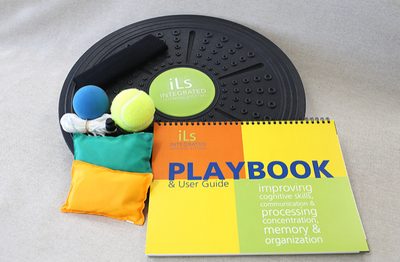
For each full hour of listening, approximately 15 minutes are ideally devoted to purposeful movement activities. These may include:
- Standing on one leg
- Tossing or catching a beanbag
- Playing with a ball
- Using a balance board
- Crossing-the-midline activities
- Coordination and motor-planning exercises
It does not have to be done perfectly
The activities can be a valuable part of iLs, but they should not become a psychological barrier to beginning or continuing the program. If the expectation of completing them creates stress, resistance, or a sense that the program is too difficult to manage, we can simplify them, introduce them gradually, or leave them out.
In my experience, people can still experience wonderful improvements from iLs even when they are not completing the recommended activities. Just as with SSP and RRP, we know that iLs does not have to be done perfectly to be successful. Consistency, flexibility, and finding an approach that feels manageable are often more helpful than trying to follow every recommendation exactly.
For the remainder of the listening session, adults and children can participate in suitable everyday activities.
Adults might:
- Prepare meals
- Tidy the house
- Do yard work
- Get ready for work
- Walk or complete other gentle movement activities
- Play with toys
- Draw or colour
- Build with blocks
- Gently bounce on a mini-trampoline
- Walk, ride a bike, or climb
- Participate in fine- and gross-motor play
Available iLs Programs
The iLs system includes:
- Sensory and Motor Program
- Concentration and Attention Program
- Reading and Auditory Processing Program
- Two Optimal Performance Programs
- Calming Music
- A Playbook and Integration Kit containing movement activities
The process begins with a brief written assessment and an online session. Together, these help determine which iLs programs are most appropriate for you or your child.
When appropriate, programs may be combined or condensed to shorten the overall timeline. iLs can also be integrated with SSP or RRP, either as a gentle preparatory foundation or as part of a broader, individualized plan.
Every nervous system is different. The goal is to choose the approach, pace, and sequence that offers the right level of support for the individual.
Click here to learn about the differences between SSP, RRP, and iLs
Click here to view pricing