Blog #rrp
Real stories. Deep healing. Nervous system care for people and their pets.
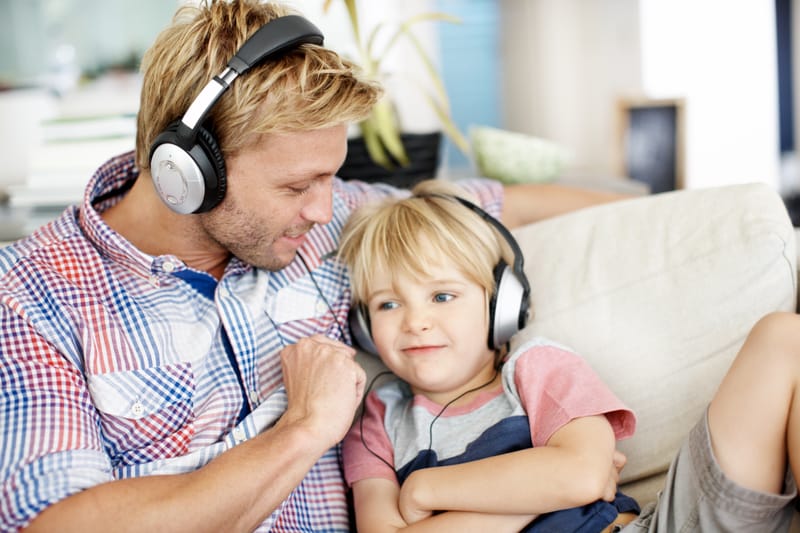
Can the Safe and Sound Protocol or Rest and Restore Protocol be completed online? Learn how remote SSP and RRP support works, including equipment, assessment, individualized pacing, provider communication, family involvement, and working with SSP Yoda from anywhere in the world.
Read More
Should you start with SSP or RRP? The answer isn’t based on diagnosis alone. Learn the factors I consider when deciding where to begin and why there often isn’t a single “right” choice.
Read More
How long does it take to see results from SSP or RRP? The honest answer is more nuanced than most people expect. Learn why your nervous system—not your diagnosis or someone else’s experience—is the best guide to what your journey may look like.
Read More
Effective SSP and RRP delivery is less about following rigid rules and more about listening to the nervous system’s responses over time. This article outlines shared principles and key differences between SSP and RRP, including pacing, positioning, coregulation, and how to interpret physiological and emotional signals to guide safer, more effective listening.
Read More
Early signs of nervous system regulation with SSP and RRP are often subtle and easy to miss. This article explores quiet shifts that may signal real progress beneath the surface.
Read More
A short, reassuring story about how nervous system regulation through the Safe and Sound Protocol and Rest & Restore Protocol (RRP) can show up in unexpected ways and are more easily seen in certain contexts.
Read More
Many people wonder what the difference is between the Safe and Sound Protocol (SSP) and the Rest & Restore Protocol (RRP). Both are sound-based, Polyvagal-informed approaches that help regulate the nervous system — but they do so in different ways. In this article, I explain how each supports healing, how they complement one another, and how to know where to begin.
Read More
In this article, I share my personal journey with the Rest & Restore Protocol (RRP) — from severe dysregulation to life-changing benefits like better sleep, improved mood, reduced pain, and more energy. I explore why pacing and titration matter, especially for those with early or complex trauma, and how with the right support RRP can open the door to profound healing and transformation.
Read More
Many SSP and RRP providers struggle with charging for their services, finding clients who are willing to pay, or explaining these powerful modalities without feeling “sales-y.” In this post, I share the common pain points providers face—and how approaching marketing through a nervous-system lens (with co-regulation, Somatic Experiencing, and Brainspotting woven in) can transform the process. If you’ve ever wished for more confidence, clarity, and ease in bringing SSP and RRP to the people who need them most, this post is for you. 🌿
Read More
I’ve launched a new Reddit community — r/Exploring_SSP_RRP! It’s a safe, supportive space for clients, prospective clients, and providers to explore the Safe and Sound Protocol (SSP) and Rest & Restore Protocol (RRP), ask questions, and share experiences.
Read More
This article explores the relationship between the Safe and Sound Protocol (SSP) and tinnitus—clearing up common misconceptions, explaining potential risks, and highlighting how thoughtful pacing and expert guidance can make SSP safe - and in some cases, even beneficial for those with tinnitus.
Read More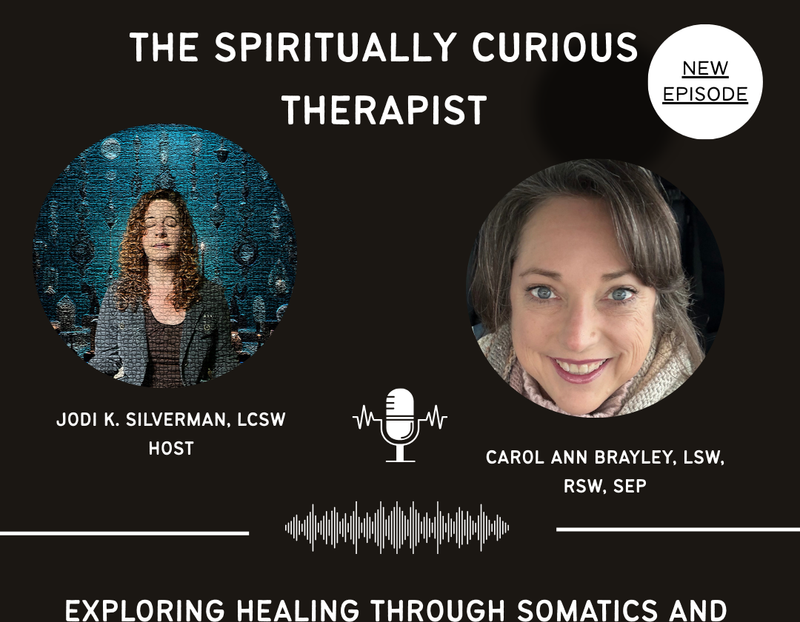
In this podcast interview, I share how I work as a therapist using Somatic Experiencing, Brainspotting, SSP, RRP, and intuition to support deep, lasting change. We explore nervous system healing, provider alignment, polyvagal-informed therapy, and even using SSP with pets.
Read More