Sound sensitivities
Real stories. Deep healing. Nervous system care for people and their pets.

Research into the Safe and Sound Protocol is growing. This balanced review explores what SSP is proposed to do, the populations studied, encouraging findings, current questions and promising directions for future research.
Read More
Discover how the Safe and Sound Protocol (SSP) can support not only humans but also our beloved pets. In this post, I share my dog Amy’s remarkable transformation—from anxious and sound‑sensitive to calm and playful—and explain how SSP and RRP can help both species experience greater safety and regulation. I also outline common areas of improvement for humans after SSP and note that when clients work with me, I include supervision of their pet’s listening process at no extra cost.
Read More
Discover how the Safe and Sound Protocol (SSP) can support autistic individuals of all ages—not by changing who they are, but by helping them feel safer, more regulated, and more connected. This article explores how SSP can gently reduce sensory overwhelm, improve communication, and foster a powerful positive feedback loop of safety and connection. It also highlights how the Rest & Restore Protocol (RRP) can further support grounding, sleep, and digestion.
Read More
Discover how the Safe and Sound Protocol (SSP), sometimes in combination with Somatic Experiencing, Brainspotting, and the new Rest & Restore Protocol (RRP), can support those living with misophonia and misokinesia. Drawing from real-life case examples, this article explores how nervous system regulation can lead to profound shifts—even after years of struggle—and why healing often begins by helping the body feel safe again.
Read More
An overview of the importance of SSP being titrated to the specific nervous system of the individual, and how I arrived to the discovery of Microdosing SSP.
Read More
Read the long list of areas that can potentially improve with SSP
Read More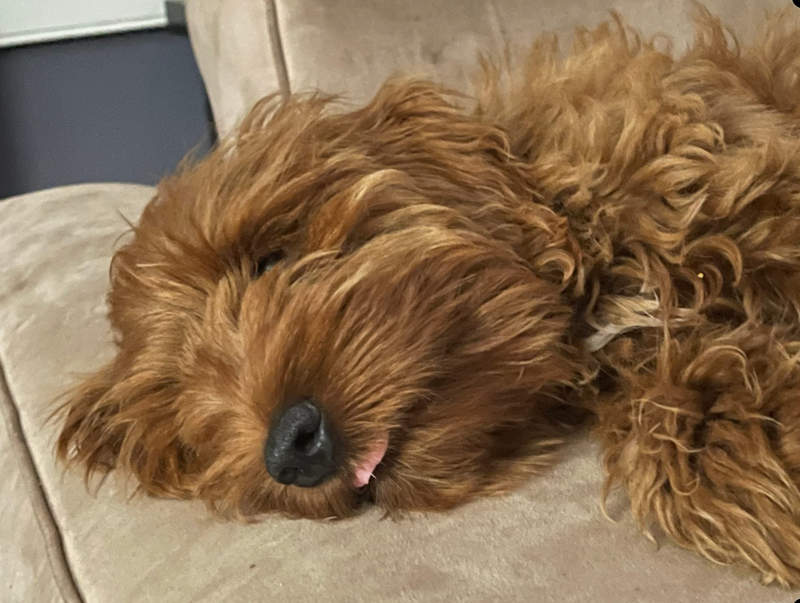
Read how Amy, a 5 month old puppy with anxious aggressive barking and sound sensitivity, is responding to her first round of SSP.
Read More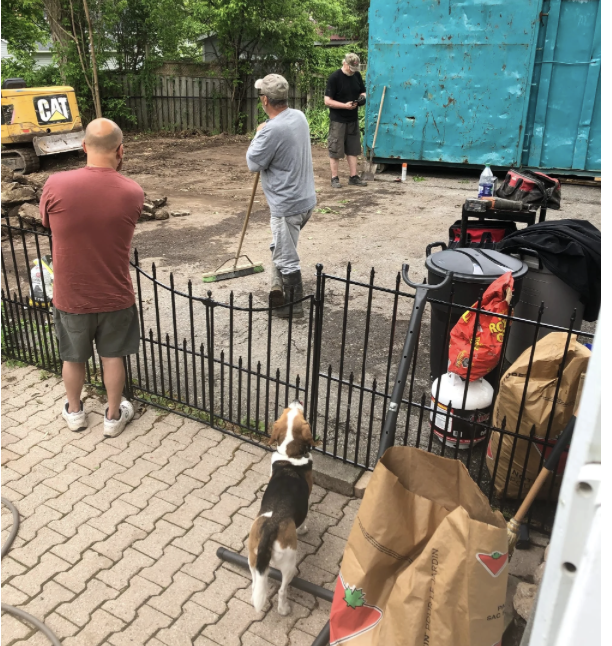
Jasper, my rescue dog's response to a second round of SSP. He is no longer afraid of fireworks, thunderstorms, or even loud crashing and banging right at his own home.
Read More