SSP with Pets Webinar
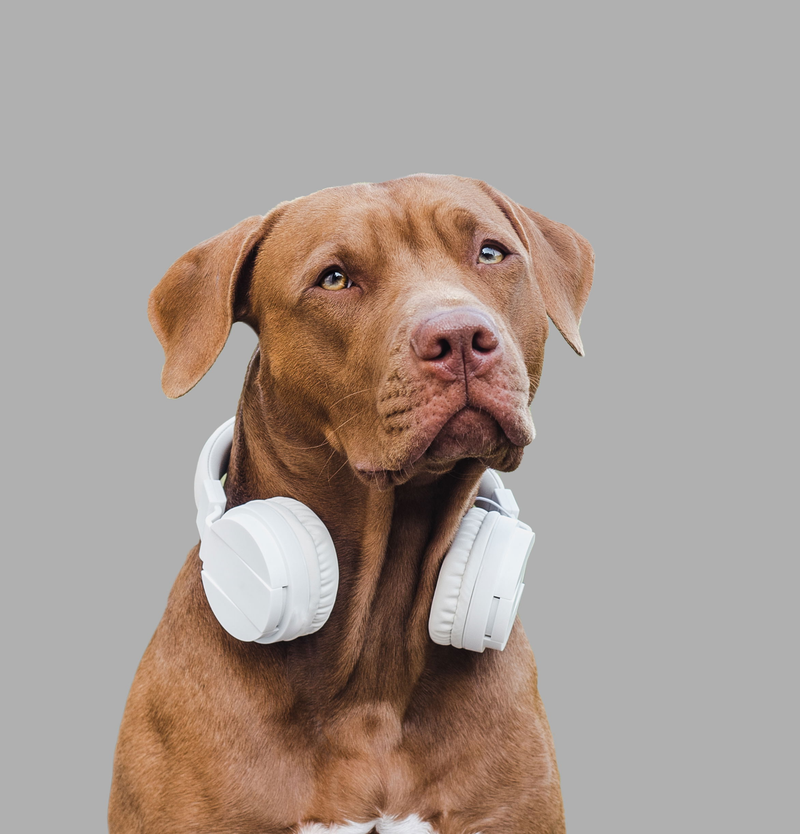
People are often fascinated by what they observe when pets are exposed to the Safe and Sound Protocol (SSP).
In many cases, animals show the very same kinds of improvements we see in humans - geater calm, easier regulation, improved tolerance for stress, more flexibility, improvements with chronic pain and changes in long-standing patterns that didn’t respond to other approaches.
This live webinar is a hands-on, practical exploration of what SSP can look like with pets, what tends to happen during the process, and how to approach it thoughtfully and safely.
What we’ll cover
What people commonly notice when pets are exposed to SSP
The kinds of changes that often show up (and the ones that can be easy to miss)
Compelling case examples illustrating different animal responses
Concrete suggestions for how to introduce SSP with pets
How to pace and titrate SSP for sensitive or complex animals
What to watch for during the process—both positive shifts and signs to pause or adjust
I’ll also briefly mention Rest & Restore Protocol (RRP), as many of the same principles apply, even though SSP will be the primary focus.
This webinar is for you if…
You’re curious about SSP beyond human use
You want practical guidance
You’ve noticed pets responding to SSP and want to understand what you’re seeing
You work with animals who are anxious, sensitive, or easily overwhelmed
You value careful pacing and listening to what the nervous system is actually doing
As always, this will be taught in a real-world, experiential way, with plenty of examples, nuance, and space for questions.
✨ When safety increases, change often follows—sometimes in the most unexpected ways.
Now available as a recording - click here to access it