Blog
Real stories. Deep healing. Nervous system care for people and their pets.

My evolving thinking on when highly complex nervous systems may benefit from starting with iLs, RRP, or a modified approach to SSP.
Read More
Can the Safe and Sound Protocol or Rest and Restore Protocol be completed online? Learn how remote SSP and RRP support works, including equipment, assessment, individualized pacing, provider communication, family involvement, and working with SSP Yoda from anywhere in the world.
Read More
Research into the Safe and Sound Protocol is growing. This balanced review explores what SSP is proposed to do, the populations studied, encouraging findings, current questions and promising directions for future research.
Read More
Learn why pacing matters during the Safe and Sound Protocol (SSP), especially for sensitive or complex nervous systems. Discover who may benefit from a slower approach, signs the pace is right, and how individualized guidance can support a smoother experience
Read More
Think SSP isn’t working? Before you give up, discover why progress is often more subtle than expected, why pacing matters, and why “no obvious changes” doesn’t always mean nothing is happening.
Read More
Should you start with SSP or RRP? The answer isn’t based on diagnosis alone. Learn the factors I consider when deciding where to begin and why there often isn’t a single “right” choice.
Read More
Did SSP make you feel worse? Learn why dysregulation doesn’t necessarily mean SSP is wrong for you, how safety can sometimes feel unsafe, and why there may be more reason for hope than you think.
Read More
How long does it take to see results from SSP or RRP? The honest answer is more nuanced than most people expect. Learn why your nervous system—not your diagnosis or someone else’s experience—is the best guide to what your journey may look like.
Read More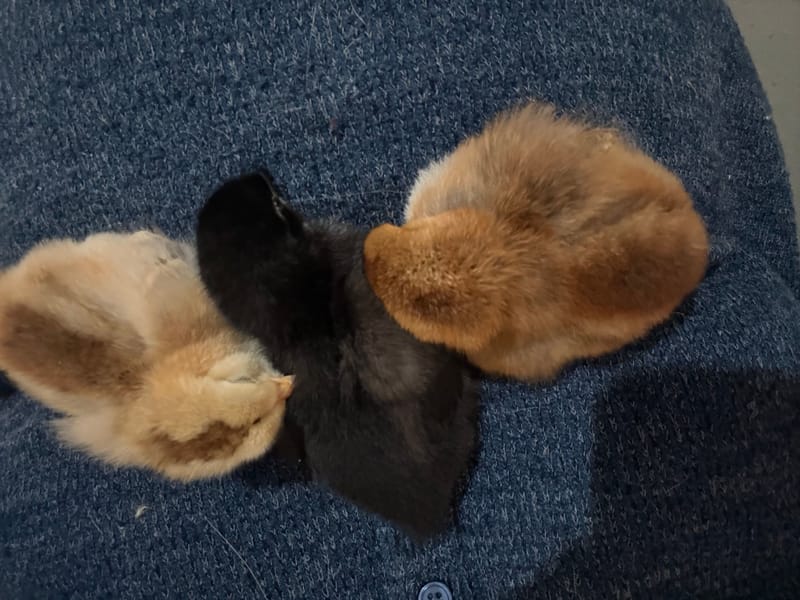
After a fox attack devastated my flock, I found myself navigating grief, uncertainty, and ultimately joy through incubating and hatching chicks. This personal story explores what resilience really looks like—and why healing isn’t about never struggling again, but about developing a nervous system that can find its way back to balance when life inevitably happens.
Read More
Learn how the Integrated Listening System (iLs) improves regulation, attention, and learning. By combining therapeutic music with movement, iLs strengthens foundational brain systems, supporting sensory processing, emotional resilience, and cognitive development.
Read More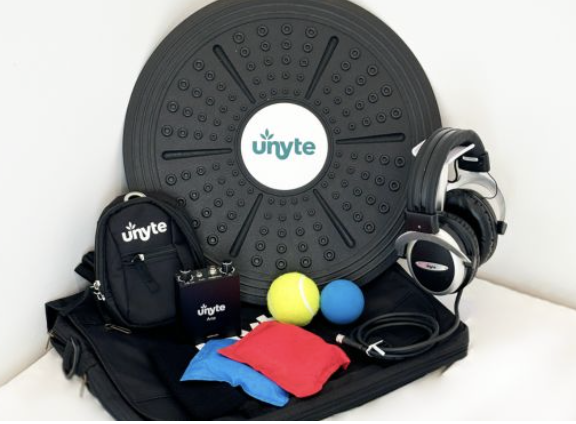
Why iLs might be the unsung hero of the Unyte family - plus what I’ve been noticing in my own experience and how it compares to SSP and RRP.
Read More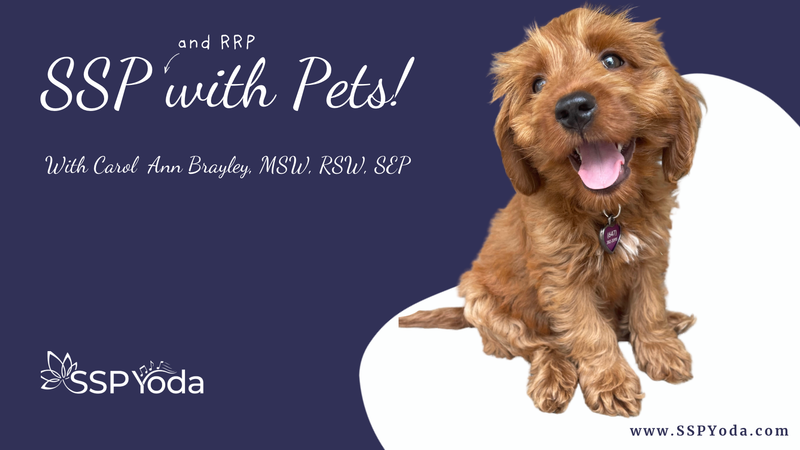
SSP with Pets webinar for providers and clients. Learn how to thoughtfully approach SSP or RRP in homes with dogs and other animals.
Read More