Blog #safe and sound protocol
Real stories. Deep healing. Nervous system care for people and their pets.

Can the Safe and Sound Protocol or Rest and Restore Protocol be completed online? Learn how remote SSP and RRP support works, including equipment, assessment, individualized pacing, provider communication, family involvement, and working with SSP Yoda from anywhere in the world.
Read More
Learn why pacing matters during the Safe and Sound Protocol (SSP), especially for sensitive or complex nervous systems. Discover who may benefit from a slower approach, signs the pace is right, and how individualized guidance can support a smoother experience
Read More
Think SSP isn’t working? Before you give up, discover why progress is often more subtle than expected, why pacing matters, and why “no obvious changes” doesn’t always mean nothing is happening.
Read More
Should you start with SSP or RRP? The answer isn’t based on diagnosis alone. Learn the factors I consider when deciding where to begin and why there often isn’t a single “right” choice.
Read More
Did SSP make you feel worse? Learn why dysregulation doesn’t necessarily mean SSP is wrong for you, how safety can sometimes feel unsafe, and why there may be more reason for hope than you think.
Read More
How long does it take to see results from SSP or RRP? The honest answer is more nuanced than most people expect. Learn why your nervous system—not your diagnosis or someone else’s experience—is the best guide to what your journey may look like.
Read More
SSP with Pets webinar for providers and clients. Learn how to thoughtfully approach SSP or RRP in homes with dogs and other animals.
Read More
Early signs of nervous system regulation with SSP and RRP are often subtle and easy to miss. This article explores quiet shifts that may signal real progress beneath the surface.
Read More
I’ve launched a new Reddit community — r/Exploring_SSP_RRP! It’s a safe, supportive space for clients, prospective clients, and providers to explore the Safe and Sound Protocol (SSP) and Rest & Restore Protocol (RRP), ask questions, and share experiences.
Read More
Discover how the Safe and Sound Protocol (SSP) can support not only humans but also our beloved pets. In this post, I share my dog Amy’s remarkable transformation—from anxious and sound‑sensitive to calm and playful—and explain how SSP and RRP can help both species experience greater safety and regulation. I also outline common areas of improvement for humans after SSP and note that when clients work with me, I include supervision of their pet’s listening process at no extra cost.
Read More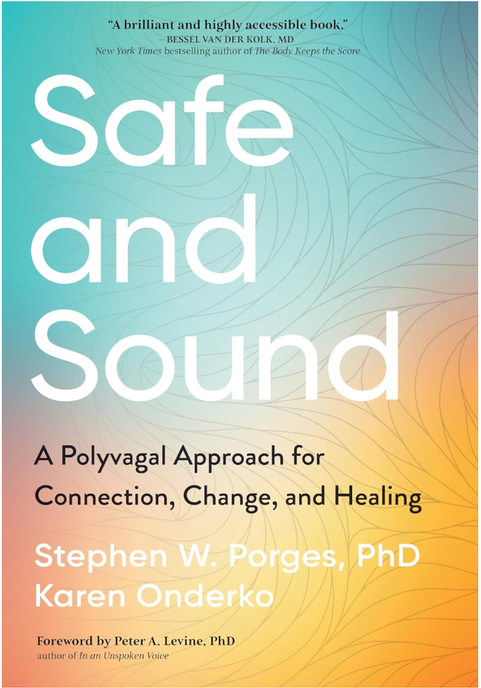
In this review of Safe and Sound: A Polyvagal Approach for Connection, Change, and Healing, I explore how the book showcases the power and flexibility of the Safe and Sound Protocol (SSP) through a wide range of real-life case studies. From subtle shifts to dramatic transformations, and from in-person to remote delivery, the stories span diverse client concerns—including trauma, chronic illness, anxiety, dissociation, and more. Whether you’re a provider or someone exploring nervous system healing for yourself, this book offers deep insight into what’s possible when we truly listen to the body.
Read More
This inspiring case study explores the profound impact of microdosed SSP on a highly complex teen with dyslexia, school trauma, and PDA. Despite listening to only four minutes of SSP Core, he began writing a trilogy - 300,000 words long so far - alongside remarkable gains in emotional regulation, verbal expression, and creative output.
Read More